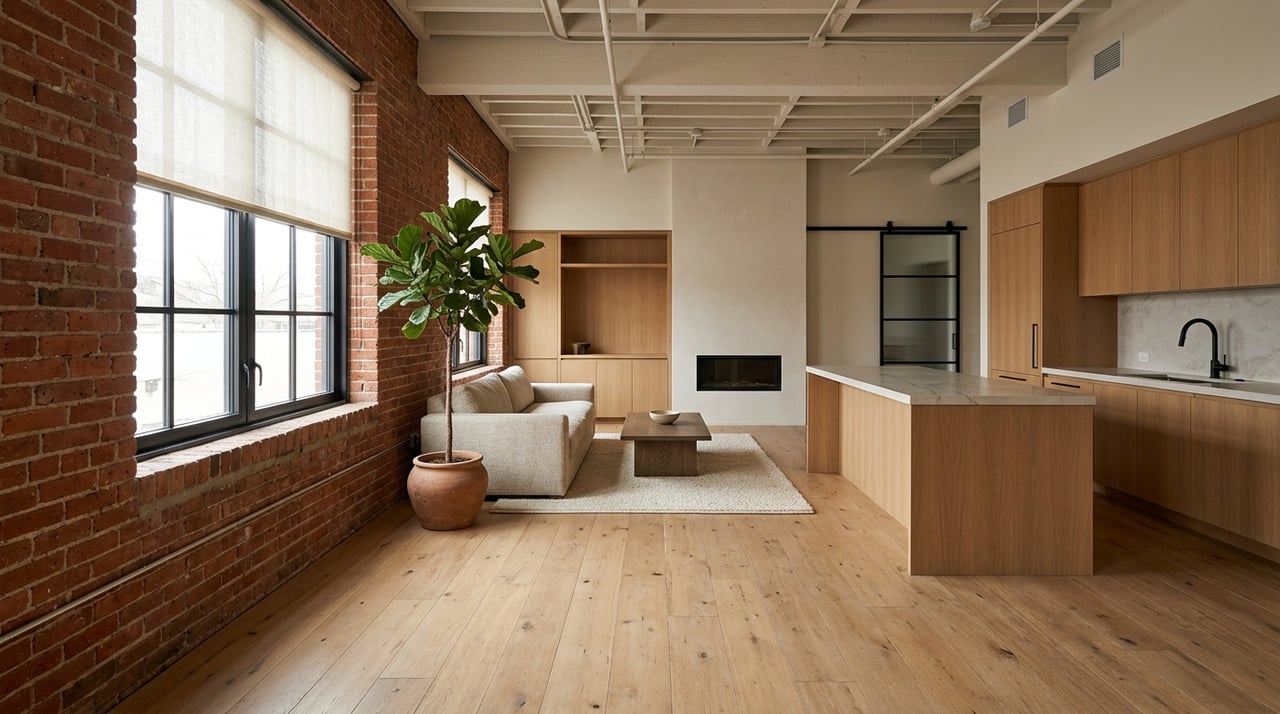
Trying to choose between a condo and a loft in Yorkville? It is a smart question, because in this part of Toronto, the difference is not just about square footage or finishes. It is about how you want to live day to day, how close you want to feel to the street, and how much you value services versus character. If you are weighing your options in Yorkville, this guide will help you understand the tradeoffs clearly and choose with more confidence. Let’s dive in.
Yorkville Has Two Distinct Living Styles
Yorkville is one of Toronto’s most layered neighbourhoods. According to Destination Toronto’s Yorkville overview, the area is known for Victorian-era homes, cobblestone streets, boutiques, restaurants, galleries, and museums. That mix creates a setting where polished urban luxury and historic character exist side by side.
City planning and heritage documents show why that matters. The City of Toronto’s heritage conservation materials note that Yorkville still retains original houses along Hazelton Avenue and nearby streets, with each street shaped by its own lot sizes, building forms, and public realm. At the same time, the Bloor-Yorkville Secondary Plan overview supports tall buildings on major corridors while protecting the character of the Village of Yorkville.
In practical terms, that means your choice often comes down to two very different experiences. You may be deciding between a full-service tower on a major street and a lower-rise, more intimate residence tucked into Yorkville’s heritage fabric.
What “Loft” Usually Means in Yorkville
In many cities, the word loft brings to mind large former industrial buildings with exposed brick, heavy timber, and warehouse proportions. In Yorkville, that is usually not the case. The neighbourhood’s history and built form are different.
According to the CMHC condominium buyers’ guide, conversion condominiums typically keep an existing building envelope and create residential units within it. CMHC also notes that some conversions offer unique designs, including loft-style homes, but older structures may need major repairs sooner and can come with different warranty considerations.
Because Yorkville is defined more by heritage homes and fine-grained commercial buildings than by old warehouse stock, a “loft” here is often better understood as a boutique conversion or heritage-inspired residence. If you are searching in Yorkville, it helps to look past the label and focus on the actual building type, layout, and ownership structure.
Why a Condo May Fit Better
A condo tower in Yorkville often appeals to buyers who want predictability, convenience, and a strong amenity package. Newer towers usually offer more standardized floor plans, newer appliances and systems, elevators, and a more streamlined ownership experience. If you value ease and consistency, that can be very attractive.
Amenities are often a major draw. CMHC explains that condo fees can fund operating costs, reserve fund contributions, property management, concierge or security staff, insurance, and shared amenities such as fitness rooms, pools, and party spaces. In Yorkville, that service-oriented lifestyle is easy to see in projects like 11YV, a 65-storey mixed-use tower with 700 units and extensive retail, or the Four Seasons Private Residences Toronto, which highlights an indoor pool, spa, dining, and lobby-led living.
For some buyers, that level of service is the point. If you travel often, prefer newer building systems, or want a polished arrival experience, a condo tower may align more closely with your priorities.
Condo strengths to consider
- More predictable floor plans
- Newer building systems and finishes in many cases
- Concierge, security, or managed services in some buildings
- Broader amenity offerings in many towers
- A lifestyle that can feel more private and insulated from the street
Why a Loft or Conversion May Fit Better
If you care more about architectural individuality, a loft-style or conversion residence may feel more compelling. CMHC notes that conversions can offer unique layouts and are often found in established, amenity-rich areas. In Yorkville, that often means living in a building with more visual character and a stronger connection to the neighbourhood’s historic streetscape.
That character can show up in several ways. You may find irregular floor plans, more idiosyncratic room shapes, or details that feel less standardized than what you see in a newer tower. For buyers who value design and distinctiveness, those qualities can make a home feel more personal.
There is also a different relationship to the street. Yorkville’s heritage district is built around houses and smaller buildings that sit closer to the public realm, so living in a lower-rise conversion can feel more immediate and more rooted in the neighbourhood. If you like the idea of stepping directly into the texture of Yorkville rather than rising above it, this may be the better fit.
Loft or conversion strengths to consider
- More architectural personality
- Unique layouts that can feel custom and memorable
- Stronger connection to Yorkville’s heritage character
- Often located on established, walkable streets
- A more intimate scale than a large tower
Compare the Day-to-Day Experience
The best choice often becomes clearer when you think beyond the listing photos. Ask yourself how you want your everyday life to feel.
A condo tower may offer a quieter arrival sequence, greater separation from the street, and a routine built around elevators, staffed lobbies, and shared amenities. A low-rise loft or conversion may feel more direct, more tactile, and more connected to the block outside your door.
Neither is better in the abstract. The right option depends on whether you prefer standardized efficiency and services, or a more distinctive space with a stronger sense of place.
Amenities, Fees, and Maintenance Matter
Lifestyle is only part of the decision. Ownership costs and maintenance responsibilities deserve just as much attention.
CMHC explains that monthly condo fees can cover building operations, reserve fund contributions, property management, insurance, security, and amenities. That means a full-service tower may offer more convenience, but it may also come with fees tied to a larger staff and amenity package.
On the other side, older resale condos and conversions may offer fewer amenities. CMHC also notes that older buildings may require more maintenance or major repairs sooner. If you are considering a loft-style property in Yorkville, you will want to weigh the charm of the space against the practical realities of an older structure.
Resale Potential Depends on the Buyer Pool
If resale flexibility matters to you, it helps to think about who your future buyer may be. In broad terms, towers can appeal to a wider audience because they often offer recognizable brands, polished services, and more familiar layouts. Conversions may appeal more strongly to buyers who are design-driven and comfortable with something less conventional.
That distinction matters in a softer market. The TRREB condo market report shows that GTA condo apartment sales in Q4 2025 were down year over year, active listings were up, and the average City of Toronto condo price declined from Q4 2024. CMHC also reported a sharp drop in Toronto condo sales from 2022 to Q1 2025, along with lower average resale condo prices over that period.
Yorkville remains its own premium micro-market, but it still sits inside the broader Toronto condo cycle. In a market with more choice, unusual layouts and older building issues may narrow your buyer pool, while turnkey tower units may feel easier for some buyers to understand quickly.
Due Diligence Is Essential Either Way
Whether you are buying a luxury tower suite or a boutique loft-style residence, the homework matters. CMHC recommends reviewing a resale condo’s management, repair history, reserve fund, and overall building condition before you buy. Those details can tell you far more than staging ever will.
Start with the status certificate and supporting condo documents. Look closely at finances, insurance, rules, reserve fund health, and any indication of pending repairs or special assessments. If the property sits within a heritage context, it is also important to understand what can and cannot be changed on the exterior.
The City notes that in a Heritage Conservation District, exterior alterations or demolition require heritage review, while interior alterations generally do not. If design flexibility is important to you, that distinction is worth understanding early.
Questions to Ask Before You Decide
A simple checklist can help you compare options more clearly:
- Do you want a highly serviced lifestyle or a more intimate building scale?
- How much do you value amenities like a pool, fitness space, or concierge?
- Are you comfortable with a less conventional floor plan?
- Would you prefer newer systems, or are you open to the realities of an older building?
- Do you want to feel above the neighbourhood or embedded within it?
- How important is future resale to a broad range of buyers?
- Have you reviewed the building’s reserve fund, repairs, and rules carefully?
How to Choose in Yorkville
In Yorkville, the condo versus loft question is really a question about lifestyle and design priorities. If you want convenience, amenities, and a more standardized ownership experience, a tower condo may be the stronger fit. If you are drawn to architectural nuance, smaller-scale living, and a closer connection to Yorkville’s heritage streets, a loft-style or conversion property may suit you better.
The key is to match the building to the way you actually live, not just the way the listing is marketed. Labels can be misleading, especially in a neighbourhood as layered as Yorkville. A thoughtful buying process will look closely at the building form, the documents, the street context, and the long-term tradeoffs.
If you want a design-aware, neighbourhood-specific perspective on Yorkville living, Jason DeLuca can help you compare options with clarity and confidence.
FAQs
What is the difference between a condo and a loft in Yorkville?
- In Yorkville, a condo usually refers to a more conventional apartment-style residence, often in a newer tower, while a loft is often a boutique conversion or heritage-flavoured unit with a more unique layout.
Are true industrial lofts common in Yorkville, Toronto?
- No. Based on Yorkville’s heritage fabric and built form, loft listings in the area are more often conversions or character units rather than classic warehouse-style industrial lofts.
Are Yorkville condo towers likely to have more amenities than loft buildings?
- Yes. CMHC notes that condo fees often support amenities and services, and Yorkville tower examples such as Four Seasons Private Residences Toronto and 11YV highlight pools, fitness spaces, lounges, and other shared features.
Do older Yorkville loft or conversion buildings require more due diligence?
- Yes. CMHC advises buyers to review repair history, reserve funds, management, and condition carefully, especially because older structures may need major repairs sooner.
Does heritage status affect renovations in Yorkville buildings?
- If a property is in a Heritage Conservation District, exterior alterations or demolition require heritage review through the City, while interior alterations generally do not.
Is resale different for a Yorkville condo versus a loft-style property?
- It can be. Standardized tower units may appeal to a broader buyer pool, while unique conversions may attract a more design-focused buyer but can be less predictable in resale appeal.