Thinking about selling in Lawrence Park but unsure which renovations will actually move the needle? You are not alone. Many homeowners want to respect their home’s character while making smart updates buyers will notice. This guide shows you which projects tend to resonate most, what to avoid, and how to plan upgrades over the next 1 to 3 years for a confident sale. Let’s dive in.
What Today’s Buyers Notice
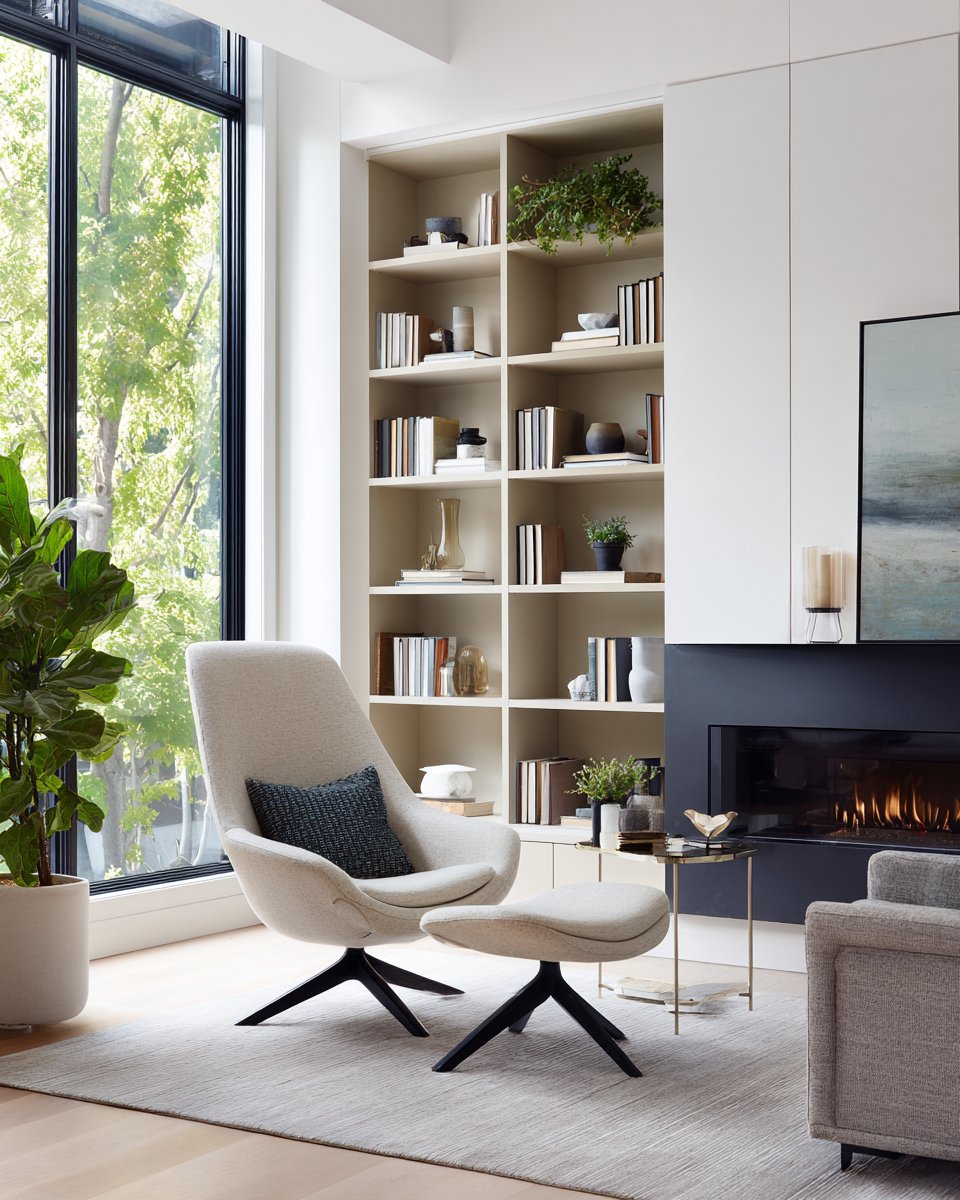
Lawrence Park buyers value a careful balance: preserved early‑20th‑century character with modern comfort and reliability. They look for move‑in readiness, quality kitchens and baths, flexible family spaces, and strong indoor‑outdoor flow. Proximity to the Yonge Street corridor and subway, mature trees, privacy, and access to mid‑town amenities also shape demand.
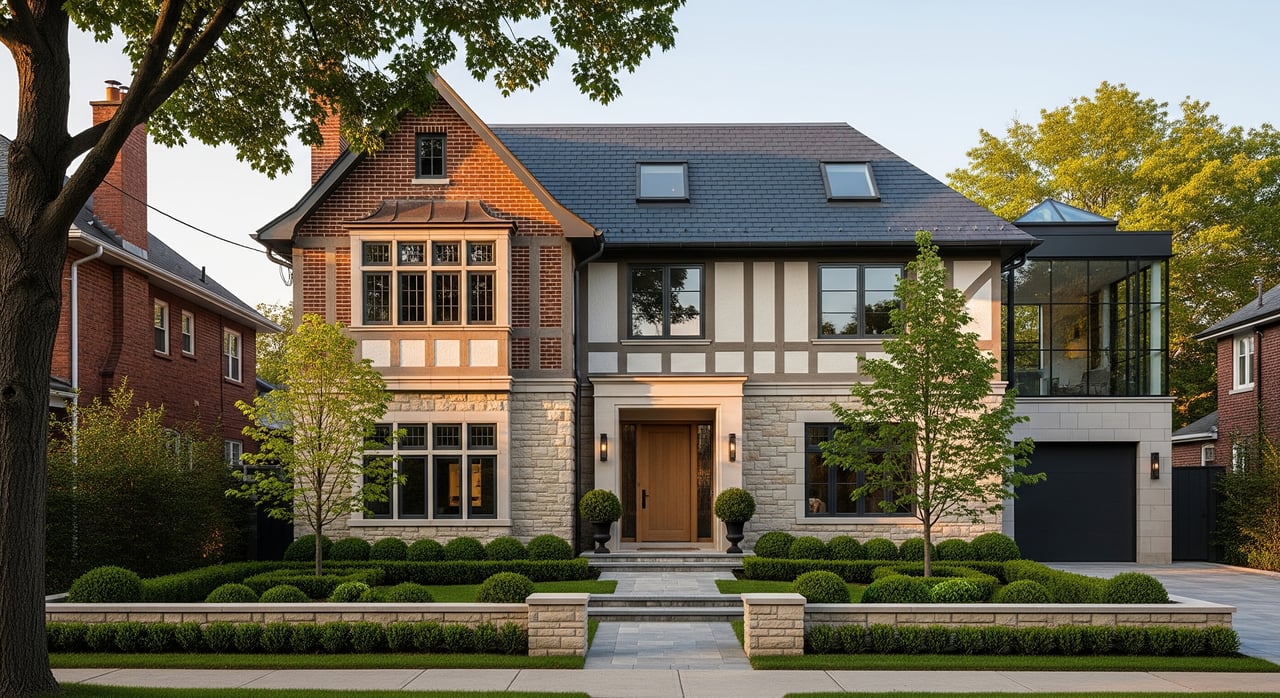
You will earn attention when your upgrades feel timeless and respectful of the home’s exterior style. Buyers often prefer classic finishes that suit Arts & Crafts, Tudor, or Georgian homes over trend‑forward looks that clash with the streetscape.
Kitchens And Primary Baths
Kitchen Flow And Finishes
An efficient kitchen with great storage and durable surfaces is a top priority. You can often improve circulation by removing non‑structural partitions or widening openings, while still preserving formal rooms and existing window patterns. Choose cabinetry and materials that feel classic and calibrated to the home’s era. Ultra‑contemporary designs can work, but only when they do not fight the architecture.
Ensuites That Feel Considered
A well‑appointed primary ensuite is a standout feature. Where space allows, buyers appreciate double sinks, a separate shower and tub, heated floors, and quality fixtures and tile. If space is tight, focus on lighting, storage, and a generous shower with premium fittings. Thoughtful layouts read as luxury without being flashy.
Secondary Baths Still Count
Buyers notice if second bathrooms are dated or poorly maintained. Upgrading lighting, ventilation, and storage, and replacing tired tile or fixtures can create a consistent standard across the home.
Systems Buyers Ask About
HVAC, Hot Water, And Heat Pumps
Modern, reliable mechanicals reduce buyer risk. An efficient furnace, appropriate ducting, and updated hot water systems signal care. Heat pump systems are increasingly popular for comfort and efficiency; they can also help future‑proof the home for energy trends.
Insulation And Air Sealing
Comfort matters. Improving insulation and air sealing in attics and basements makes the home feel quieter, more even in temperature, and less costly to operate. Documentation, such as energy audits and receipts, helps buyers trust the work.
Windows With Character
Where possible, restore original windows and hardware. If replacement is necessary, choose historically sympathetic profiles that improve performance without changing the home’s look. Buyers value the combination of character and efficiency.
Basements And Flexible Space
Finished Lower Levels
Finished, dry basements that feel like true living space add functional square footage for family rooms, play areas, offices, or guest accommodations. Make sure lighting, ceiling height, and finishes feel intentional and code‑compliant.
Legal Secondary Suites
Legalized basement apartments can appeal to buyers planning for multi‑generational living or mortgage flexibility. Meeting City of Toronto building and fire code requirements increases buyer confidence and perceived value. If a suite is not legal, be transparent and consider the steps to bring it into compliance before listing.
Family Flow Upgrades
Entry And Mudroom Clarity
A defined entry or mudroom with durable flooring, hooks, cubbies, and a bench goes a long way for family buyers. Create a clear path from the driveway or garage that manages coats, boots, and bags without cluttering the main hallway.
Laundry Where It Works
If the structure allows, upstairs or main‑floor laundry is a small luxury that buyers notice. Keep noise and ventilation in mind, and avoid compromising key rooms or historic features.
Curb Appeal And Outdoor Rooms
Landscape And Trees
Mature trees and a private backyard are highly prized in Lawrence Park. Maintain existing canopy trees and plan plantings that frame the architecture rather than overpower it. A simple terrace or patio with clear zones for dining and lounging helps buyers picture daily life.
Front Presentation
Front steps, porch restoration, lighting, and a tidy walkway shape first impressions. Keep the façade aligned with the neighbourhood rhythm. Avoid oversized additions or front‑facing garage elements that disrupt setbacks or sightlines.
Preserve Character Features
What To Restore
Original millwork, plaster mouldings, hardwood floors, fireplaces, and stained or leaded glass are assets. Repair and refinish where possible. Thoughtful restoration communicates stewardship and often earns buyer goodwill.
When To Alter
If you need to modernize, favour reversible or clearly contemporary interventions that respect the original fabric. Avoid changes that erase defining character, especially on primary façade elements and window patterns.
Garages, Driveways, And Structures
Functional parking matters, but integration is key. Poorly scaled garage additions and oversized front pads can hurt appeal. Coach houses or laneway‑style options can add value where allowed, but feasibility depends on lot and zoning. Assess practicality before investing.
Permits, Heritage, And Trees
Building Permits
Plan for permits when altering structure, adding space, updating major systems, changing windows and doors, or creating a secondary suite. Permitted work reassures buyers and helps avoid closing issues.
Heritage Considerations
Some Lawrence Park properties fall under heritage designations or conservation guidelines. These can limit exterior changes and sometimes affect interiors. Verify status with City of Toronto Heritage Planning before you design exterior alterations or remove character elements.
Private Tree Protection
Toronto’s tree bylaws protect larger trees on private property. Removing or significantly altering a protected tree usually requires permits and may trigger restoration conditions. Early arborist input helps you avoid delays and preserve buyer‑valued canopy.
Secondary, Laneway, And Coach Houses
Basement and secondary suites must meet zoning and building/fire code to be legal. Laneway or coach house opportunities are site‑specific and governed by zoning. Confirm feasibility with the City before committing to design and construction.
Grants And Incentives
Federal, provincial, municipal, and utility programs supporting energy retrofits change over time. Before budgeting for insulation or heat pumps, check current programs and work with certified energy advisors if pre‑ and post‑evaluations are required.
Plan For ROI
1 To 3 Year Priority Checklist
-
High priority:
- Address roof, structural, moisture, or pest issues.
- Modernize core systems: HVAC, electrical service, and hot water.
- Update the kitchen with a layout and finishes suited to the home’s style.
- Renovate or add a compelling primary ensuite.
- Improve main‑floor circulation, entry/mudroom, and laundry convenience.
-
Medium priority:
- Finish and, where feasible, legalize the basement for usable living space.
- Improve insulation and air sealing; consider a heat pump if cost‑effective.
- Refinish original hardwood and restore millwork.
-
Lower priority or situational:
- Large additions unless they correct a critical deficiency and match local comparables.
- Highly personalized, hard‑to‑reverse finishes.
- Pools, which are site‑specific and may add maintenance concerns.
Key Decision Questions
- Does this project solve a buyer discomfort that would otherwise reduce price?
- Will the change preserve or diminish key architectural features buyers value?
- Will permits, heritage approvals, or tree rules affect timing or cost?
- Can you document the work with permits, invoices, and energy reports?
- Do nearby comparable sales show value for similar upgrades?
Budgeting And Execution Tips
Get multiple estimates and insist on a written scope. If full overhauls are not practical, target visible functional deficits first. Use licensed trades, pull permits for major work, and keep a tidy project file. Documentation reduces buyer risk and supports your pricing narrative.
Prepare For Showings
First Impressions
Keep the front approach clear, well lit, and in good repair. Stage outdoor areas as purposeful rooms. Inside, neutral staging that clarifies how to live in each space helps buyers see value without distraction.
Documentation That Builds Trust
Have service records, warranties, energy audits, and permits available. Make mechanical rooms, basements, and attics accessible and visibly dry. Highlight preserved period details and recent upgrades with concise notes and photos.
Ready to plan your next steps? For a tailored renovation and listing strategy that respects your home’s character and reaches the right buyers, connect with Jason DeLuca.
FAQs
What renovations add the most value in Lawrence Park?
- Kitchens, primary ensuites, and modernized mechanical systems are top priorities, followed by finished basements, functional mudrooms, and refined outdoor living.
How do I balance modern updates with heritage character?
- Keep defining features and window patterns intact, use classic finishes, and choose reversible or clearly sympathetic interventions where you must alter original elements.
Do I need permits for my renovation in Toronto?
- Structural changes, additions, major HVAC/electrical/plumbing work, many window and door replacements, and secondary suites typically require building permits.
Are basement apartments worth legalizing before listing?
- Yes, legal suites that meet zoning and building/fire code boost buyer confidence and can widen your pool to include multi‑generational and mortgage‑helper buyers.
Should I replace or restore original windows?
- Restore when feasible; if replacement is necessary, use historically appropriate profiles that improve performance without altering the home’s character.
Will removing a mature tree hurt resale?
- Mature trees are prized in Lawrence Park and protected by bylaw; removal can require permits and may reduce curb appeal and privacy buyers value.