Thinking about listing your Lawrence Park home? In a neighbourhood where lot width can matter more than square footage, small pricing choices can shift buyer interest in a big way. You want a price that respects the character and substance of your property while capturing today’s demand. This guide shows you how to read the right comps, account for local value drivers, and choose a pricing tactic that earns a premium outcome. Let’s dive in.
Why Lawrence Park Pricing Is Unique
Lawrence Park is an established, affluent area with larger lots, mature trees, and period architecture. Buyers include move-up families, downsizers, and a builder segment that values rebuild potential. Prices often sit above city averages, but results can swing with market cycles and block-level differences.
Zoning, heritage status, and severance policy can change what a buyer or builder will pay. If a property is in a heritage conservation area or has site-specific rules, exterior changes and expansion may be limited. Knowing your lot’s dimensions, any overlays, and the rebuild envelope helps you position price with confidence.
Build Your Micro-Comp Set
Start close. Use the same block or adjacent blocks first, then expand only as needed. In Lawrence Park, architectural style, curb character, and lot frontage on the same street can outweigh a one-kilometre distance.
Match comps by the variables that matter most locally:
- Lot width and usable lot area
- Street appeal, elevation, and nearby park or ravine influence
- Renovation level and quality of systems
- Above-grade floor area and number of principal rooms
- Architectural style and condition
- Parking and driveway configuration
- Basement features or secondary suite potential
- Proximity to subway, schools, and parks
Use the most recent 6 to 12 months of sales to reflect current pricing. If volume is thin, widen to 12 to 24 months, but weight recent sales more. Look to solds to anchor value and use active listings to understand current competition and aspirational asks. Pay attention to list-to-sale ratios and days on market to spot momentum.
Verify details. Cross-check MLS data with municipal property records for lot dimensions, and review available permits or inspection reports to confirm renovation claims. In this area, you will often make larger adjustments for lot frontage and renovation quality than for small differences in square footage.
Weight The Value Drivers That Matter
Lot Width And Buildability
For both families and builders, lot frontage shapes daily living and future potential. It influences the house envelope, garage placement, and the sense of presence from the street. Usable depth and backyard privacy also matter to many buyers.
How to price for it: Treat frontage as a high-priority comp filter. If your lot is wider than most nearby sales, expect a premium relative to similar interiors. Highlight exact dimensions in marketing to support your ask.
Renovation Quality And Systems
High-quality, “move-in ready” work that respects period architecture often attracts stronger offers. Structural and mechanical upgrades like roofing, windows, electrical, HVAC, and waterproofing reduce risk and encourage confident bidding.
How to price for it: Separate cosmetic updates from permitted, professional upgrades. Document with permits, invoices, and a clear list of improvements. Consider a pre-list inspection to create transparency and support your pricing stance.
Architectural Appeal And Curb Presence
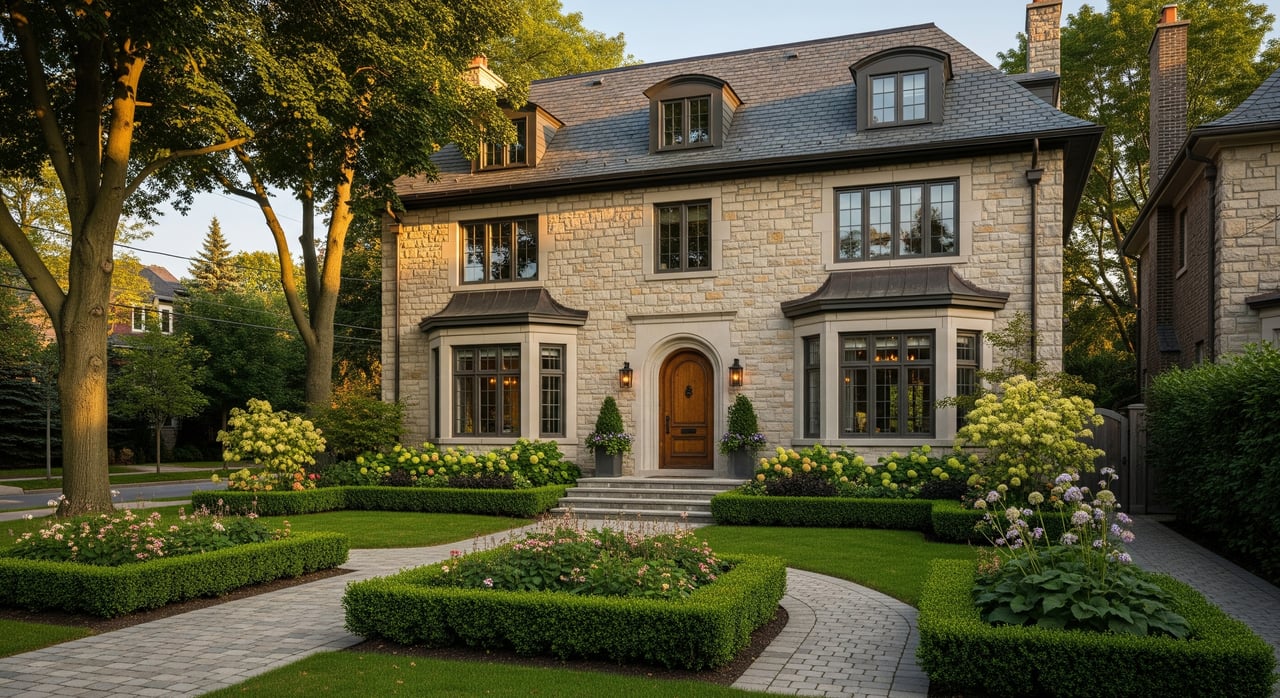
Buyers in Lawrence Park value homes that fit the neighbourhood’s character. Authentic details and thoughtful restoration or replication can lift perceived value. Landscaping and clear sightlines frame first impressions.
How to price for it: Use comps with similar style and curb appeal. Spotlight period features and design choices in your materials to justify a premium position.
Location Micro-Factors: Transit, Parks And Privacy
Distance to subway access, parks, and daily conveniences can move price for many buyers. Exposure to ravines or elevated lots can add appeal, while certain positions may reduce privacy.
How to price for it: Weigh these factors against your closest comps. Note any meaningful differences in access or setting when you explain your price.
Redevelopment Potential And Constraints
Lots with clear expansion paths or severance potential can command more from builder segments. Heritage designations or strict zoning may limit that upside, which can narrow the buyer pool.
How to price for it: Confirm what is possible through municipal guidance and available records. If there is real upside, reference recent tear-down or rebuild sales. If constraints apply, lean into the preserved character and owner-occupier appeal.
Choose A List Price Tactic That Fits The Moment
You generally have two practical paths:
- Aspirational pricing: List at a premium level that signals top-tier positioning. This can work when inventory is thin and your home’s differentiators are clear, such as wider frontage, excellent finishes, or positive redevelopment potential. It requires exceptional presentation and a tight narrative.
- Competitive pricing: Price close to recent micro-comps to widen the buyer pool and spark competition. This often works well when several similar homes are available or when you want to drive multiple offers.
Pick the approach based on local supply, demand, and timing. Watch list-to-sale ratios, days on market, and the number of active comparables nearby. Document the reasons for any premium ask so buyers and their agents can see the logic.
Present The Home To Earn A Premium
Thoughtful preparation can lift your net result. Focus on high-ROI steps: deep decluttering, professional staging, fresh paint and lighting, simple landscaping, and clear attention to mechanical issues. Quality photography and well-sequenced video give buyers confidence before they step inside.
Documentation helps. Organize permits, invoices, warranties, and a concise upgrades list to remove doubt. Consider a pre-list inspection to reduce renegotiation and shorten conditional periods.
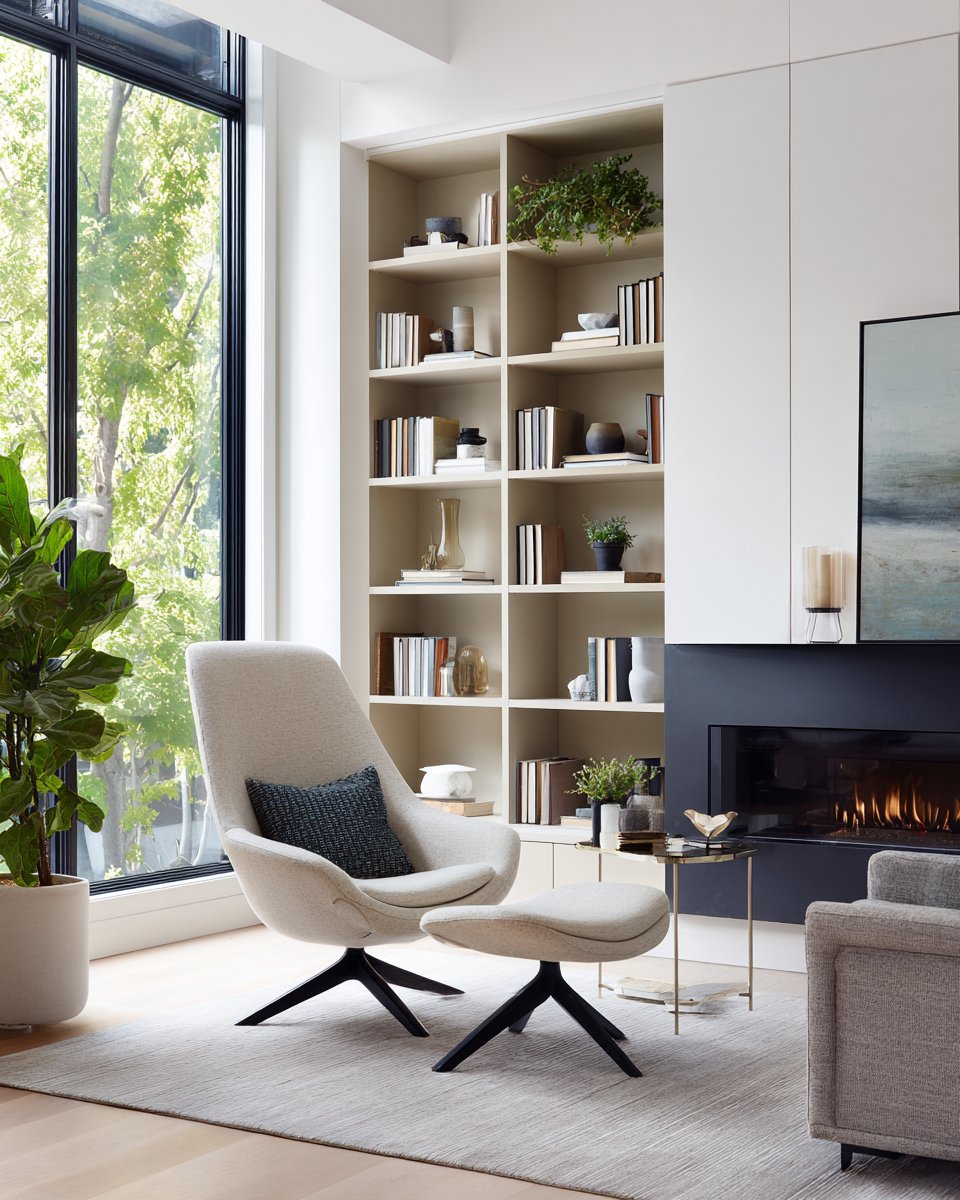
For luxury micro-markets, presentation quality matters. Materials, lighting, layout flow, and storytelling shape how buyers value your home. When you showcase design integrity with care, premium pricing feels earned.
Timing And Offer Strategy
Spring and early summer often see more listings and buyers in Toronto, but high-end segments can be active year-round. Match your launch to real-time neighbourhood conditions rather than the calendar alone.
To foster strong offers, request buyer pre-approvals, set reasonable conditional periods, and structure showings to create concentrated interest. Some sellers set an offer date to focus activity. This can be effective when the home is priced competitively and presentation is first-class, but it is not right for every listing.
Your Pre-List Pricing Checklist
- Verify lot dimensions and legal description through municipal or assessment records.
- Pull 3 to 6 micro-comps from the same block or nearest similar streets within the last 6 to 12 months.
- Compile documentation: permits, contractor invoices, warranties, and utility or mechanical upgrades.
- Complete a targeted refresh: declutter, paint, improve lighting, and tidy landscaping.
- Consider a pre-list home inspection or a clear “recent upgrades” summary.
- Choose a pricing strategy based on current nearby supply, likely buyer segments, and builder interest.
- Plan marketing that highlights lot frontage, key upgrades, and nearby amenities that support your price.
How I Help Lawrence Park Sellers
You get a design-literate advisor who understands how lot width, architecture, and systems influence price on your specific street. I build a precise micro-comp set, document the value story, and craft boutique-luxury marketing with professional photography, video, and narrative listing materials. With an international distribution channel, your property reaches qualified local and cross-border buyers who value craftsmanship and location.
If you are planning to sell in Lawrence Park and want a pricing plan tailored to your block, let’s talk. Work with Jason DeLuca for measured guidance and marketing that earns attention for the right reasons.
FAQs
How Should I Choose Comps For A Lawrence Park House On My Street?
- Start with sales on the same block or adjacent blocks, weighting the last 6 to 12 months and matching on lot width, renovation level, style, and parking before adjusting for size.
Do Renovated Homes In Lawrence Park Always Sell For More?
- Quality and fit matter most; permitted, well-executed upgrades and strong systems usually command a premium, while cosmetic-only work or incongruent changes may not lift price.
Which Matters More In Lawrence Park Pricing: Lot Width Or Interior Square Footage?
- Lot width often carries more weight than small differences in interior area because it shapes curb presence, layout options, and future build potential for families and builders.
How Do Heritage Or Zoning Rules Affect My Lawrence Park List Price?
- Clear expansion paths can add value for builder segments, while heritage overlays or restrictive zoning can limit that upside; disclose constraints and focus your pricing on confirmed potential.
Should I Set An Offer Date When Selling A Lawrence Park Home?
- Use an offer date only when pricing is competitive and demand is clear; it can focus activity, but it works best with excellent presentation and minimal competing inventory nearby.