Love The Annex’s red brick, turrets, and stained glass, but worry about surprises behind the walls? You’re not alone. Buying a heritage home can be deeply rewarding when you understand the architecture, risks, and rules that come with it. This guide walks you through what to look for, how to inspect it, and how to plan sensitive upgrades so you can buy with confidence. Let’s dive in.
The Annex Homes: Character And Context
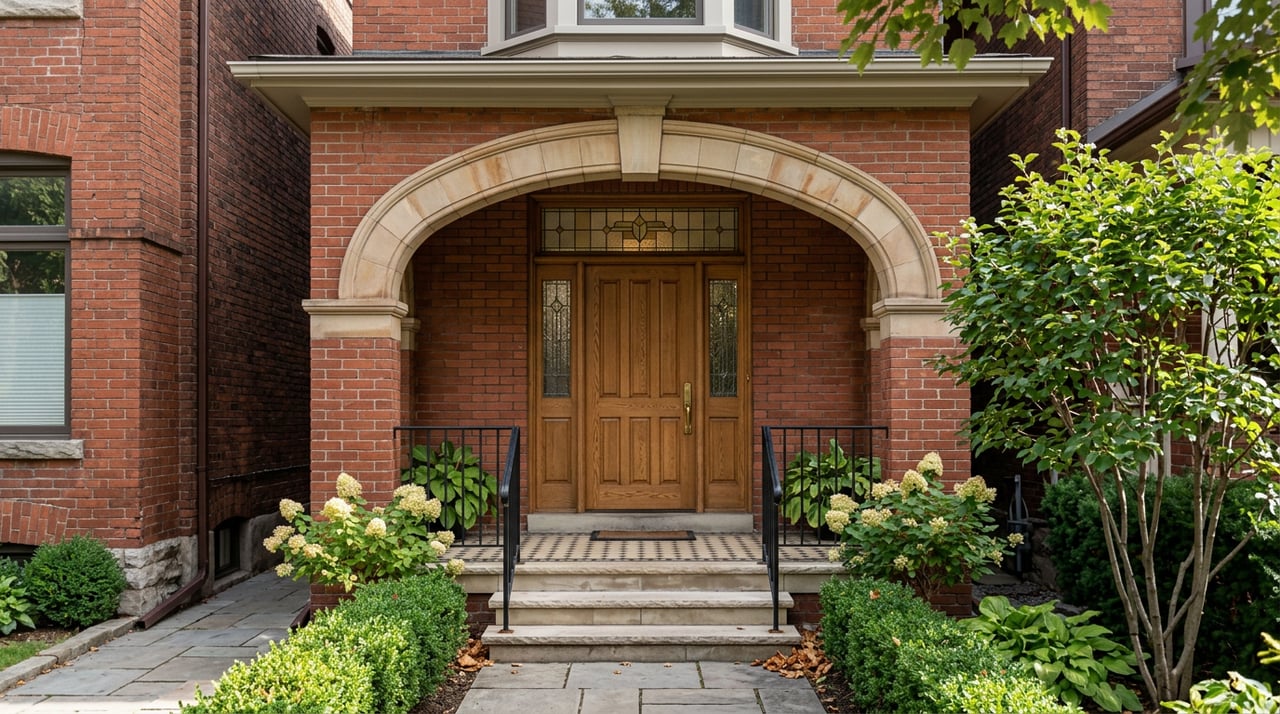
The Annex is known for late‑19th‑ and early‑20th‑century houses that blend Queen Anne detail with Romanesque forms, often called the “Annex style.” You’ll see load‑bearing brick, stone banding, carved trim, broad porches, and grand staircases that showcase craftsmanship. Many properties retain original character, though systems have often been layered over time. Expect to plan for electrical, plumbing, and envelope upgrades completed to conservation‑appropriate standards that respect the home’s fabric and story, as outlined in local histories of the area’s architecture (Annex architectural history).
Typical Construction And Common Issues
Buying well starts with understanding how these houses were built and where problems tend to appear. Use the notes below to focus your inspections and questions.
Masonry And Mortar
Annex homes often feature softer, more permeable brick with stone or sandstone trim. The biggest risk is incompatible repointing with hard Portland‑cement mortar, which can accelerate spalling and damage. Conservation standards recommend compatible, lime‑rich mortars and minimal intervention for brickwork and trim, preserving as much original material as possible (Standards & Guidelines for Conservation). Ask sellers what mortar was used and request invoices or reports for any recent repointing.
Roofs, Porches, And Chimneys
Many roofs began as slate or cedar, and failure points often include clogged gutters, tired flashings, and dormer step‑flashing. Water is the enemy, so look for interior stains and wood decay near roof lines and porches. Toronto’s Heritage Grant Program recognizes slate and cedar roof projects among eligible conservation work, which can help offset costs for qualifying properties and scopes (Toronto Heritage Grant Program).
Windows And Stained Glass
Original wood sash, stained glass, and carved surrounds are character‑defining. Best practice is to repair, weather‑strip, and add storm or interior secondary glazing before considering replacement. Where replacement is unavoidable, match proportions and profiles to the historic originals (Window conservation guidance).
Interiors: Plaster And Lath
Walls and ceilings are often plaster on wood lath, sometimes reinforced with hair or linen. Plaster is repairable and contributes to the home’s acoustics and character. Conservation briefs recommend re‑keying, patching, and targeted consolidation rather than wholesale removal and drywalling to retain historic fabric (Preservation briefs).
Electrical Systems
Many Annex homes once used knob‑and‑tube wiring and may have partial upgrades. The Electrical Safety Authority considers knob‑and‑tube obsolete and advises a licensed assessment. Insurers commonly refuse or surcharge coverage for active knob‑and‑tube, so plan for mapping, an ESA inspection, and potential rewiring as part of your offer planning (ESA guidance on knob‑and‑tube).
Plumbing And Water Service
You may find galvanized steel supply lines, lead solder at old joints, and cast‑iron stacks. Galvanized lines corrode and restrict flow, and lead in older systems is a health concern. Confirm the service line material and plan a plumbing assessment to understand replacements and timelines in your first year of ownership (Health Canada on lead).
Hazardous Materials
Lead‑based paint is likely on pre‑1960 surfaces. Disturbing it creates dangerous dust, so plan for testing and proper containment or abatement before any sanding or demolition (Lead‑based paint safety). Asbestos can appear in plaster, joint compound, flooring, mastic, insulation, and some older roofing components. Suspected materials should be tested and, if needed, removed by qualified contractors only (Asbestos guidance for homeowners).
Energy And Comfort
Original walls are often uninsulated. The biggest, least invasive gains typically come from attic insulation, air sealing, and improved windows through repair and storms, followed by efficient mechanicals like heat pumps. Federal programs and energy advisors can help you plan upgrades that respect heritage character (Canada Greener Homes Initiative).
Toronto Heritage Rules At A Glance
If the home is designated under Part IV or located in a Heritage Conservation District under Part V, visible exterior changes often require a Heritage Permit. The City’s guide explains what counts as a heritage attribute, submission materials, and review steps (Toronto Heritage Permit Guide). Statutory timelines apply, and in certain cases, Council must decide within 90 days of a complete application. Build these windows into your renovation schedule.
Toronto also offers a matching Heritage Grant Program and a tax rebate pathway for eligible conservation scopes like masonry, window repair, and slate or cedar roofs. Grants are competitive, capped for house‑form buildings, and require detailed documentation and timing your application to intake windows (Heritage Grant details).
Before you firm up plans, request any designation by‑law, the list of heritage attributes, past permits, and any grant files. Connect with Heritage Planning to confirm whether your intended work requires approvals and what drawings or reports you will need (Heritage Permit Guide).
Your Due Diligence Checklist
Use this checklist pre‑offer or as conditions after acceptance so you can negotiate from a position of clarity.
Quick Public Checks
- Verify if the property is designated or in an HCD and request the designation by‑law and attributes list. If unclear, email Heritage Planning for guidance.
Inspections And Tests
- Full home inspection to CSA A770 standards, noting age‑appropriate items like plaster, windows, and masonry.
- Licensed electrical contractor or ESA inspection to map knob‑and‑tube and provide a written scope and acceptance plan (ESA knob‑and‑tube).
- Structural engineer review if you see settlement, large cracks, or removed supports.
- Chimney and hearth inspection by a WETT‑trained professional where fireplaces or stoves exist.
- Lead‑based paint and asbestos testing before any invasive work (Lead safety; Asbestos basics).
- Sewer camera scope for older drains or any sign of backups.
Quotes And Feasibility
- Obtain written quotes for likely projects such as rewiring, panel upgrades, masonry repointing, and roof work. Typical rewiring in GTA century homes is often quoted in the low‑to‑mid five figures, depending on access and panel scope. Get at least two quotes with clear inclusions and an ESA inspection plan (Typical rewiring costs).
Insurance And Lending
- Share inspection findings with potential insurers. Many require proof of electrical safety, a WETT report for wood‑burning appliances, or plumbing updates. Confirm lender conditions related to safety and habitability.
Heritage Pathway
- Map your planned work against the property’s heritage attributes. If windows, porches, masonry, or roofs are affected, plan for a Heritage Permit with conservation‑minded drawings and documentation (Toronto Heritage Permit Guide).
Budget And Timeline
- Add a 10–20% contingency for discoveries once walls and ceilings are opened. If older systems are present, increase your buffer. Build permit review windows and contractor availability into your move‑in plan.
Plan Updates The Right Way
Buying an Annex home means stewarding history while improving comfort and safety. Three conservation principles will keep you on course:
- Minimal intervention: repair and retain original elements whenever feasible, from sash windows to plaster and joinery (Conservation standards).
- Reversibility and documentation: choose methods that can be undone and keep a record of materials and locations for future owners or review.
- Compatible materials: use lime‑rich masonry mortars, like‑for‑like timber repairs, and historically sympathetic roof materials where replacements are necessary.
A practical, low‑impact upgrade sequence:
- Stop water first. Clear gutters, repair flashings, and address active leaks to protect original fabric.
- Improve the attic. Add insulation and air sealing where accessible to boost comfort quickly.
- Tune the windows. Repair sash, add weather‑stripping, and consider storms or interior secondary glazing.
- Modernize electrical. Remove unsafe knob‑and‑tube, upgrade the panel, and obtain ESA acceptance (ESA guidance).
- Handle hazards before demolition. Plan lead and asbestos abatement with qualified pros (Lead safety; Asbestos basics).
- Upgrade heating and cooling. Consider a cold‑climate heat pump or hybrid approach and confirm how exterior equipment placement aligns with heritage approvals and incentive rules (Greener Homes overview).
Small, high‑return wins include repaired sash with storms, targeted ductless mini‑splits for comfort without opening walls, and attic improvements that reduce drafts.
Timelines, Costs, And Red Flags
Electrical upgrades can take days to a few weeks of on‑site work, though scheduling and ESA inspections may extend your timeline. Masonry and slate or cedar roof projects can take longer due to specialized trades, scaffolding, and weather windows. Heritage permit reviews can add months in total planning, so factor the City’s statutory windows into your schedule (Heritage Permit Guide).
As a planning anchor, rewiring in older Toronto houses is commonly quoted in the low‑to‑mid five figures, with access and panel size driving variation (Typical rewiring costs). Slate, cedar, and complex masonry projects run higher due to skilled labor and materials. Always obtain multiple detailed quotes and clear scopes.
Watch for red flags that should shape your offer and conditions:
- Active leaks with clear evidence of long‑term water damage and no remediation plan.
- Brick repointed with hard mortar where faces are spalling or flaking.
- Extensive knob‑and‑tube with no ESA assessment or insurer willing to underwrite.
- DIY structural changes or missing permits for major conversions.
- Known hazardous materials with no plan or budget for safe removal.
- Significant foundation movement or major cracks that hint at structural repair.
When you understand Annex construction, heritage rules, and the right upgrade path, you can buy the character you love without inheriting headaches. If you want a measured, design‑aware approach to your search and negotiation strategy, connect with Jason DeLuca to align your goals with the right home.
FAQs
What is a “heritage” home in The Annex?
- In Toronto, a home can be individually designated (Part IV), included in a Heritage Conservation District (Part V), or simply listed on the Heritage Register. Designated and HCD properties typically need Heritage Permits for changes that affect heritage attributes, as outlined in the City’s permit guide.
Do I need a permit to replace windows on a designated house?
- If windows are identified as heritage attributes, visible changes usually require a Heritage Permit. Many programs encourage repair and storms over replacement, and any necessary replacements should match original proportions and profiles per conservation guidance.
How risky is knob‑and‑tube wiring when buying?
- The Electrical Safety Authority considers knob‑and‑tube obsolete and advises a licensed assessment. Insurers often refuse or surcharge coverage for homes with active knob‑and‑tube, so plan for mapping, an ESA inspection, and potential rewiring as part of due diligence.
Can I add insulation to a Victorian brick wall?
- Whole‑house wall insulation can be complex in heritage masonry. Start with attic insulation, air sealing, and window repair with storms, which deliver strong comfort gains with minimal impact on historic fabric. Consult advisors before any cavity work.
How long do Toronto heritage permits take?
- Timelines vary by scope and designation, but statutory windows apply. For certain Part IV decisions, Council must decide within 90 days of a complete application. Build this review period into your renovation schedule and gather required drawings early.